
A double boiler is one of those simple kitchen tricks that can save you from buying another gadget. It lets you heat delicate foods slowly without exposing them to harsh direct heat. You can create one at home using a saucepan and a heatproof bowl. The lower pan holds water while the upper bowl warms through indirect heat.
This setup works especially well for melting chocolate, making sauces, and handling other temperature-sensitive ingredients. You don’t need special cookware to get reliable results. With the right simmering water and careful heat control, your everyday kitchen tools can do the job. Once you understand the method, you’ll see why cooks have relied on it for generations.
What Is a Double Boiler and How Does It Work?
A double boiler is a two-part cooking setup designed for gentle heating. Usually, a bowl sits over a pot containing hot water. The bowl stays above the water while steam transfers heat upward. This method gives you better temperature control than placing delicate ingredients directly over a burner.
The basic idea is remarkably simple. Hot water creates steam, and steam heats the bowl from underneath. This provides gentle indirect heat for ingredients that react badly to sudden temperature changes. Unlike direct cooking, the method helps prevent overheating and makes it easier to work with fragile mixtures.
What Is a Double Boiler?
A traditional double boiler has a lower saucepan and an upper vessel. A heatproof bowl can replace the upper vessel when you don’t own dedicated cookware. Both setups rely on indirect heat to warm ingredients gradually without exposing them directly to a hot burner.
How Does a Double Boiler Work?
The lower pan holds water that produces steam as it heats. That steam heat warms the upper bowl and its contents. The result is controlled gentle heat that helps you melt ingredients slowly while reducing the chance of scorching.
Double Boiler vs. Water Bath
A double boiler keeps the food above the water. A water bath places the cooking container directly into hot water. Both methods provide gentle heating. However, they transfer heat differently and suit different recipes.
When Should You Use a Double Boiler?
A double boiler shines when direct stovetop heat feels too aggressive. It works particularly well with temperature-sensitive ingredients such as chocolate, egg mixtures, and delicate sauces. The gradual heating gives you more control and helps avoid direct heat when a recipe needs a softer cooking environment.
Chocolate is a classic example because chocolate can burn surprisingly easily. The technique also works for custards, meringue, and sauces where sudden heat can change texture. When a recipe calls for careful heating, a double boiler often provides a useful safety margin.
Melting Chocolate Without Burning It
For melting chocolate, place chopped chocolate in a dry bowl above gently heated water. Stir regularly as it softens. The goal is smooth chocolate melting, not aggressive boiling. King Arthur Baking found the double-boiler method effective for gradual chocolate melting with relatively low scorching potential.
Making Custards and Egg-Based Sauces
Egg-based recipes need patience because high heat can quickly scramble egg yolks. A double boiler gives you more gradual heating for custards and sauces. It also works well for hollandaise sauce, where controlled cooking helps protect the hollandaise emulsion.
Heating Egg Whites and Sugar
Some recipes gently heat egg whites and sugar before whipping. This technique can improve texture and help dissolve sugar evenly. For food safety, follow the recipe’s temperature instructions. USDA guidance recommends cooking egg mixtures to 160°F when a safe minimum cooking temperature applies.
How to Make a Double Boiler at Home
The easiest DIY double boiler setup needs only a medium-sized pot and a suitable bowl. Add roughly an inch or two of water to the pot. Then bring water to a simmer and place the bowl above it. The setup should remain stable throughout cooking.
Choose a bowl that fits securely without sitting inside the water. A heatproof glass bowl or metal mixing bowl usually works well when designed for cooking temperatures. King Arthur Baking similarly recommends keeping the bowl above simmering water during chocolate melting.
What You Need
You need a saucepan, a suitable mixing bowl, water, and a heat-safe spoon or spatula. A medium pot also works when its opening matches the bowl’s size. The upper vessel should sit securely without wobbling.
Step-by-Step DIY Double Boiler Method
Start by adding an inch or two of water to the saucepan. Heat it until gently simmering. Set the bowl above the pan and check that the water below the bowl never touches its base. Add your ingredients and stir as needed.
How to Choose the Right Bowl and Pot
The bowl should fit the pan comfortably. A stainless steel bowl transfers heat efficiently and handles stovetop cooking well. A suitable heatproof glass bowl can also work. Avoid unstable combinations that can tip or trap excessive steam around the cookware.
How to Use a DIY Double Boiler Correctly
Once your setup is ready, heat management becomes the main skill. Keep the burner at low heat or another setting that maintains a calm simmer. You don’t need a rolling boil. The purpose is steady gentle indirect heat, not maximum temperature.
Keep checking the water level during longer cooking tasks. The bowl should not touch water in a steam-based setup. Also watch for condensation because water droplets can cause problems with chocolate. These small details make the difference between smooth results and a kitchen headache.
How Much Water Should You Use?
Start with an inch or two of water unless your recipe says otherwise. You need enough water to generate steam throughout cooking. However, too much water can make the bowl sit too low and defeat the purpose of the setup.
Keep the Water at a Gentle Simmer
A strong boil creates unnecessary steam and movement. Instead, maintain simmering water that produces steady heat. If bubbles become aggressive, reduce the burner. This approach improves temperature control and reduces splashing.
Stir and Monitor the Ingredients
Stir delicate mixtures regularly when the recipe requires it. Watch the edges because they can heat faster than the center. When most ingredients have melted, remove the bowl and let residual heat finish the process.
Keep Water Away From Chocolate
Chocolate and stray moisture can be a troublesome pairing. Condensation or water droplets can cause melted chocolate to seize. Keep the bowl and utensils dry. Bon Appétit and King Arthur Baking both emphasize avoiding water contact during chocolate melting.
What Can You Use Instead of a Double Boiler?
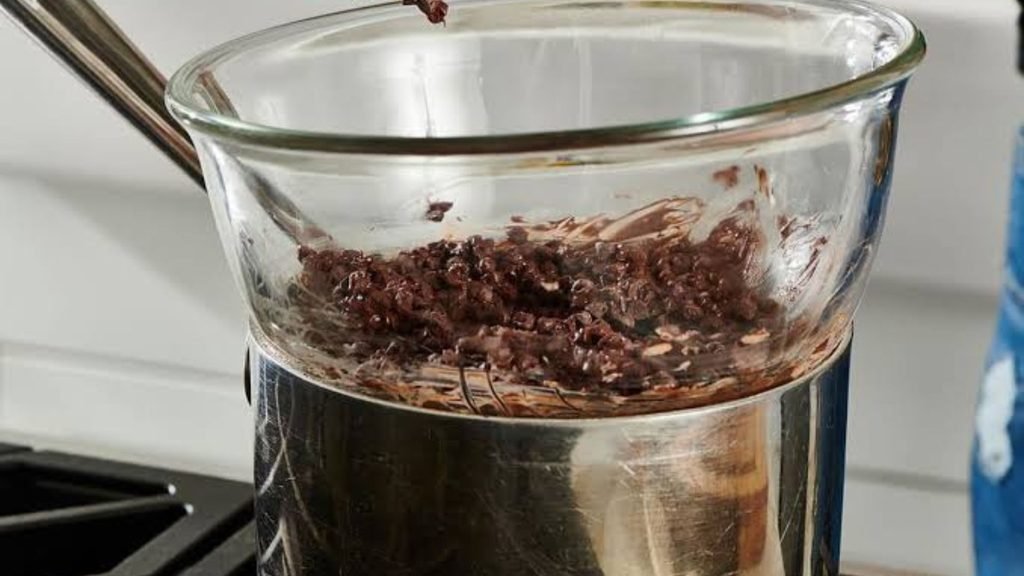
You don’t need a dedicated pan to achieve controlled heating. A double boiler alternative can be as simple as a bowl positioned above a saucepan. This makes a double boiler substitute especially useful when you’re cooking in a small kitchen or working with limited cooking equipment.
The best alternative depends on your recipe. A heatproof bowl works for many tasks. A microwave may suit small chocolate batches. A water bath can help when a recipe specifically needs surrounding hot water. Choose the method that gives your ingredients the right amount of heat.
Heatproof Bowl and Saucepan
A heatproof bowl and pot combination is the most practical substitute for most home cooks. It uses ordinary kitchen equipment while providing controlled heating. Make sure the bowl remains stable and stays above the water during cooking.
Two Pots That Fit Together
Two compatible pots can create another form of double boiler method. The upper pot should rest securely without dipping into the water. This option works best when the cookware was designed to nest safely.
Microwave for Melting Chocolate
A microwave can be useful when you need to melt a small amount quickly. Heat chocolate in short bursts and stir between intervals. This avoids prolonged steam heat, although you still need careful temperature control to avoid overheating.
Water Bath vs. Double Boiler
A water bath surrounds the cooking container with hot water. A double boiler heats the container primarily through steam and indirect warmth. The distinction matters because some recipes depend on direct water contact while others specifically require the food to remain above it.
How to Make a Double Boiler Without Special Kitchen Equipment
A practical homemade double boiler doesn’t require expensive cookware. Your everyday saucepan and mixing bowl can often do the job. This approach also saves cabinet space because each piece remains useful for normal cooking after the project ends.
Before heating anything, test the setup while the cookware is cold. Make sure the bowl sits firmly and doesn’t wobble. Check that the base stays above the water. A stable arrangement is safer and easier to control than a makeshift stack.
Use the Cookware You Already Own
Look through your kitchen before buying anything. A suitable saucepan and metal mixing bowl may already provide everything you need. You can also use a cooking-safe glass bowl when the manufacturer allows that type of heating.
What If Your Bowl Touches the Water?
Reduce the water level if the bowl sits too low. The bowl should not touch water when you’re using a steam-based setup. If lowering the water doesn’t solve the problem, choose a larger bowl or different saucepan.
Best Setup for Small Kitchens
A homemade setup works particularly well in compact kitchens. You can use the same bowl for mixing, serving, or baking afterward. That flexibility makes a DIY double boiler more practical than storing a specialized pan for occasional recipes.
Safety Tips for Making and Using a Double Boiler
Safety starts with stable cookware and sensible heat. Use a bowl designed for high temperatures and keep handles away from the edge. Never assume a container is stovetop-safe simply because it can handle warm food. Materials behave differently under sustained heat.
Steam can burn just as easily as boiling water. Lift the bowl carefully and use oven mitts or suitable grips. If you’re cooking egg mixtures, follow the recipe’s food-safety directions rather than relying on visual texture alone. USDA recommends 160°F for many cooked egg mixtures.
Protect Yourself From Hot Steam
Steam escapes quickly when you lift the bowl. Move your hands away from the opening and lift slowly. Never lean directly over the pan. This small habit can help you avoid painful steam burns.
Keep Handles Away From the Edge
Position the saucepan handle where it won’t get bumped. Keep towels, packaging, and other loose items away from the burner. A tidy cooking area reduces accidental knocks while you’re handling hot cookware.
Use Heat-Safe Cookware
Choose a bowl specifically rated for cooking temperatures. A stainless steel bowl is a dependable option for stovetop use. If using glass, select a heatproof glass bowl intended for the conditions your recipe requires.
Never Leave the Setup Unattended
Stay nearby while water heats and ingredients cook. Check the water level during extended recipes. If the pan begins boiling aggressively, lower the heat. Good supervision keeps a simple technique from becoming an avoidable accident.
Double Boiler Recipes and Ingredients You Can Prepare
A double boiler has far more uses than melting chocolate. Bakers use it for sauces, custards, candy, and delicate mixtures. It can also help soften ingredients gradually. The common thread is simple: the food benefits from indirect cooking rather than harsh burner heat.
| Ingredient or Recipe | Why Use a Double Boiler | Main Benefit |
| Chocolate | Gentle melting | Reduces scorching risk |
| cocoa powder mixtures | Controlled heating | Helps combine ingredients evenly |
| cream cheese | Gradual warming | Softens without direct burner heat |
| meringue mixtures | Controlled warming | Helps heat egg-white mixtures |
| hollandaise sauce | Gentle cooking | Supports a stable emulsion |
| chocolate fudge | Even heating | Reduces hot spots |
| brownies | Melting butter mixtures | Helps combine delicate ingredients |
Melted Chocolate and Chocolate Desserts
When you melt chocolate, patience matters more than speed. Chop large pieces into smaller pieces before heating. The bowl’s residual warmth can finish the job after you remove it from the pan. This helps produce smooth melted chocolate without unnecessary heat.
Hollandaise and Other Delicate Sauces
A double boiler works well when sauces contain eggs or emulsions. With hollandaise sauce, excessive heat can scramble the eggs or destabilize the sauce. Gentle heating gives you time to whisk and respond before the mixture becomes too hot.
Custards, Lemon Curd, and Creamy Mixtures
Custards benefit from gradual heating because eggs can transform from silky to scrambled very quickly. The same principle applies to lemon curd and similar mixtures. Stir consistently and follow the recipe’s target temperature when one is provided.
Meringue and Egg-White Mixtures
For egg whites and sugar, gentle heating can help the sugar dissolve before whipping. Some recipes use this approach for meringue and related preparations. When food safety matters, use a thermometer and follow the recipe’s recommended endpoint.
Frequently Asked Questions About Double Boilers
A few questions appear again and again when people learn how to make a double boiler. Most come down to heat, water level, cookware, and ingredient choice. Understanding these details makes the technique far less intimidating for first-time cooks.
The key takeaway is simple. You don’t need fancy cookware to create controlled indirect heat. You need stable equipment, sensible water levels, and patience. Once you understand those basics, this old-fashioned technique becomes an easy tool for everyday baking and cooking.
Can I Make a Double Boiler With a Bowl and Pot?
Yes. A heat-safe bowl over a saucepan is one of the simplest ways to create a homemade double boiler. Keep the bowl stable and make sure the water stays below it.
Does the Bowl Need to Touch the Water?
No. For a standard steam-based setup, the bowl should not touch water. The rising steam provides the heat. Keeping the bowl above the water also reduces direct heat exposure.
Can I Use a Glass Bowl as a Double Boiler?
Yes, if the bowl is designed for the heat involved. A suitable heatproof glass bowl can work well. Always follow the manufacturer’s temperature and stovetop-use instructions.
How Much Water Goes in a Double Boiler?
Start with roughly an inch or two of water in the lower pan. Adjust the amount according to your cookware. The important point is keeping the water below the bowl throughout cooking.
Can I Use a Double Boiler to Melt Chocolate?
Absolutely. It’s one of the most common uses. Keep the heat gentle and make sure no steam or water enters the chocolate. Stir as it melts for an even texture.
What Is the Best Double Boiler Substitute?
For most home cooks, a double boiler substitute means a heatproof bowl placed securely over a saucepan. It provides the same basic indirect-heating principle without requiring dedicated cookware.
Why Did My Chocolate Seize in the Double Boiler?
Moisture is a common culprit. Condensation, wet utensils, or accidental splashes can make chocolate thick and grainy. Overheating can also damage its texture. Keep everything dry and use gentle heat.
Can I Use a Double Boiler on a Gas or Electric Stove?
Yes. Both can work with the right cookware. Control the burner carefully and maintain a gentle simmer. The goal isn’t a particular stove type. It’s consistent, controlled heat.
Do I Need to Buy a Dedicated Double Boiler?
Usually, no. If you already own a suitable bowl and saucepan, the DIY method can handle many recipes. A dedicated pan may offer convenience if you use this technique frequently. However, it isn’t essential for most home kitchens.
Final Thoughts
Learning how to make a double boiler can save money and valuable cabinet space. More importantly, it gives you a reliable way to handle delicate foods with gentle indirect heat. A saucepan, suitable bowl, water, and a little patience are often all you need.
Whether you’re preparing chocolate, custard, meringue, or sauce, focus on controlled heating rather than speed. Keep moisture away from chocolate, monitor egg mixtures carefully, and choose cookware that can handle the heat. Once you master this simple setup, you may never feel the need to buy a dedicated double boiler again.